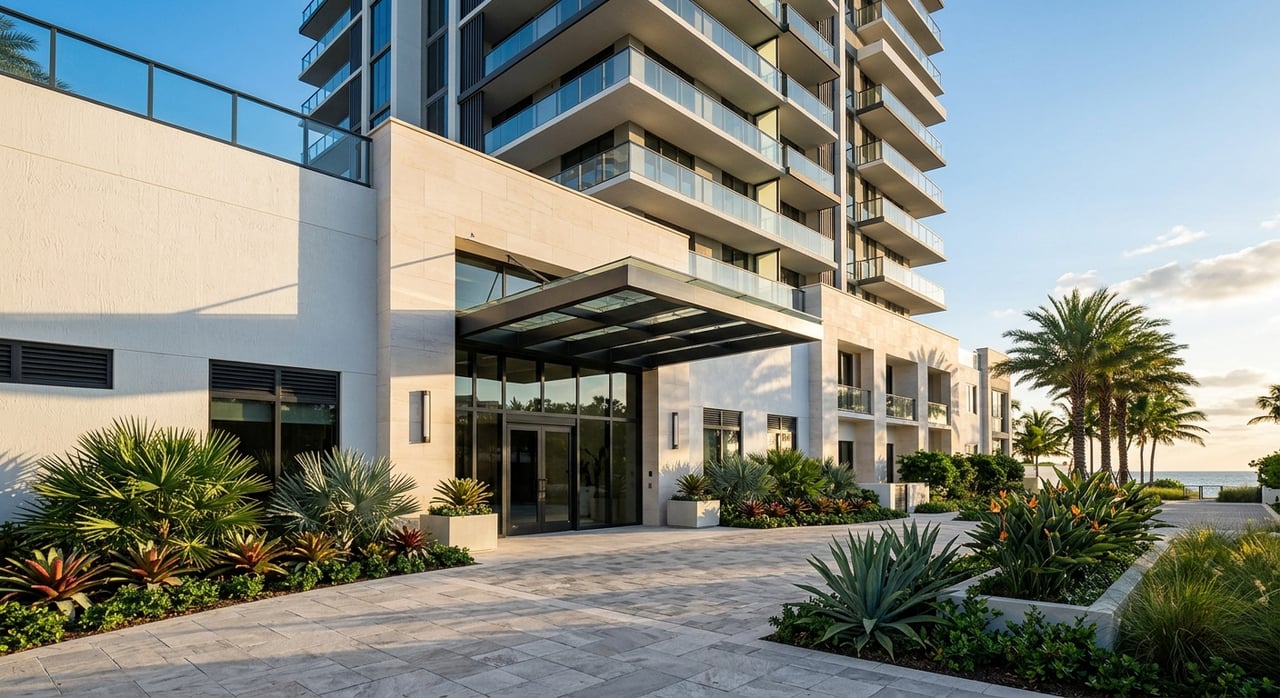
Buying A South Of Fifth Condo From Out Of State
April 23, 2026
April 23, 2026
Thinking about buying a South of Fifth condo while living in another state? You are not alone, and in a neighborhood this competitive and detail-driven, you also need more than pretty listing photos to make a smart decision. If you want to understand how remote buying works, what documents matter most, and where out-of-state buyers can get tripped up, this guide will help you move forward with more confidence. Let’s dive in.
South of Fifth, often called SoFi, is the area south of Fifth Street to Government Cut, stretching from the Atlantic Ocean to Biscayne Bay, according to the City of Miami Beach neighborhood information. It is a compact part of Miami Beach, but it carries outsized demand because of its waterfront setting, luxury condo inventory, and close access to South Beach amenities.
For an out-of-state buyer, that compact footprint matters. In South of Fifth, your purchase decision is not only about finishes and views. You also need to think about neighborhood access, parking, traffic flow, building operations, and how easy the property will be to use or manage from afar.
The city notes that motorists access the area through Alton Road, Washington Avenue, and Collins Avenue, and that weekend traffic plans can affect the SoFi area. That is the kind of practical local detail remote buyers should factor in early, especially if you plan to visit seasonally, host guests, or eventually rent the unit where allowed.
If you are coming from another market, South of Fifth pricing can feel very different right away. In Q1 2025, the neighborhood posted a $2,322,604 average sales price, a $1,100,000 median sales price, and an average price per square foot of $1,433, based on the Brown Harris Stevens Miami market report.
That same report showed 53 closings, 117 average days on market, a 9% listing discount, 230 active listings, and a 13.0-month absorption period. Those numbers suggest two important things for remote buyers. First, this is a high-value condo market where due diligence matters. Second, there may be room for negotiation, but only if you understand the building, the unit, and the timing.
Buying from out of state may feel unusual to you, but it is a normal part of the Miami market. According to MIAMI REALTORS’ international report, Miami is the No. 1 U.S. destination for global home buyers, and South Florida had a 15% foreign-buyer share in 2025.
The same report says that 65% of foreign buyers visited Florida two times or less before buying, and 11% bought without visiting at all. It also notes that condos and central or urban locations are especially popular. In other words, a remote-first purchase process is not unusual here.
Out-of-state demand is also strong. MIAMI REALTORS reported that New York accounted for 24% of South Florida’s out-of-state buyers, followed by California at 14% and New Jersey at 9%. That makes one thing clear: if you are shopping from another state, you need a process built for virtual tours, efficient communication, and local follow-through.
When you cannot walk into every lobby or building office yourself, your early screening process becomes even more important. Before you get too attached to a listing, focus on a few practical questions.
Make sure the building fits how you plan to use the condo. A second home, seasonal residence, or investment property can all create different priorities around management, access, storage, guest rules, and rental restrictions.
South of Fifth is a small neighborhood with heavy appeal, so circulation matters. Review how you, guests, vendors, or tenants would realistically access the property, and whether the building’s parking setup works for your needs.
If income potential is part of your plan, do not assume a condo can be rented short term just because it is in Miami Beach. The City of Miami Beach short-term rental page states that vacation or short-term rentals of less than six months and one day are prohibited in all single-family homes and in many multi-family buildings in certain zoning districts. Legal short-term rentals also require proper zoning authorization, a Business Tax Receipt, a Resort Tax account, and a current association letter confirming short-term rental is allowed for the specific unit.
That means the rental question must be answered before closing, not after. For out-of-state buyers, this is one of the biggest areas where good local guidance can save time and money.
Florida condo purchases involve a very specific paper trail, and that matters even more when you are buying remotely. You may never step inside the association office, so the disclosure package becomes one of your best tools for understanding what you are actually buying.
Under Florida Statute 718.503, resale condo buyers must receive key documents including the declaration, articles of incorporation, bylaws and rules, the most recent annual financial statement and budget, and the FAQ document. If applicable, buyers must also receive the milestone-inspection summary and the association’s most recent structural integrity reserve study.
This is not just paperwork for paperwork’s sake. These documents can help you understand how the building operates, what reserves look like, whether major repairs may be coming, and how ownership costs could change after closing.
Florida law also gives buyers an important review window. For resale contracts, a buyer can void the contract within 7 business days after execution and receipt of the required documents. When milestone-inspection or reserve-study documents apply, the statute extends the voidability language to 15 days, according to Florida Statute 718.503.
If you are buying from out of state, this timeline is critical. You want those documents collected and reviewed quickly so you can make a confident decision while your contractual protections are still in place.
In a high-rise market like South of Fifth, building condition is one of the biggest due-diligence issues. Recent Florida condo law changes make reserve planning and structural review even more important for buyers.
Under Florida Statute 718.112, condominium buildings three stories or higher must address structural integrity reserve study requirements that identify inspected items, estimated remaining useful life, replacement cost or deferred maintenance, and a reserve funding plan. The statute also says the study must take into account regular assessments, special assessments, lines of credit, and loans.
For you, the practical takeaway is simple: the monthly number on a listing sheet does not always tell the full ownership story. A building may have upcoming capital needs, reserve adjustments, or other financial obligations that could affect your carrying costs after closing.
Another document remote buyers should pay close attention to is the estoppel certificate. Under Florida Statute 718.116, the association must issue an estoppel certificate within 10 business days after a written or electronic request.
That certificate must show details such as assessment status, special assessments, transfer fees, open violations, approval rights, right-of-first-refusal information, and insurance contacts. In a remote transaction, it often serves as one of the final checks on what you actually owe and what issues may still be attached to the unit before closing.
This is especially important in condo purchases because actual cost of ownership can look different from a listing’s headline numbers. Transfer fees, capital contributions, special assessments, and unresolved violations all matter when you are budgeting from out of state.
The good news is that Florida gives remote buyers a workable path to signing. The state allows many notarized documents to be completed electronically, and Florida’s online notarization law permits a Florida online notary to perform the act even when the signer or witnesses are outside the state.
That process uses audio-video communication, identity verification, credential analysis, and identity-proofing steps. In plain terms, many closing documents can be handled without booking a last-minute flight to Miami. Your title company and lender will still control the final signing package, but remote execution is very realistic.
Out-of-state buyers sometimes assume they will automatically qualify for local tax benefits. That is not how it works with homestead.
According to the Miami-Dade homestead exemption requirements, homestead requires legal or equitable title, permanent residence on the property as of January 1, and Florida residency. The guide also notes that the owner must be a U.S. citizen or permanent U.S. resident.
If you are buying a second home or investment condo from another state, you should not build your budget around homestead savings unless you clearly qualify. It is better to underwrite the property based on realistic tax treatment from day one.
If you are purchasing from outside the U.S., tax identification planning matters too. The IRS guidance on ITIN and withholding rules explains that foreign buyers and sellers of U.S. real property interests may need tax identification numbers, and FIRPTA withholding can apply when a foreign person disposes of a U.S. real property interest.
That does not mean the deal is unusually difficult. It means the planning should happen early so there are no surprises later, especially when you eventually sell.
When you buy in South of Fifth from another state, the smoothest process is usually the most organized one. A clear workflow helps you make better decisions without needing to be on the ground for every step.
In a neighborhood where prices are high and the details matter, this kind of structure protects both your time and your money.
Even if you buy remotely, the transaction still happens locally. Someone needs to coordinate tours, verify building details, keep document requests moving, monitor timelines, and help connect the dots between contract, title, financing, and ownership handoff.
That is where a local, condo-focused advisor can make a real difference. In South of Fifth, remote buyers often benefit from having one point of contact who understands Miami Beach condo inventory, building-specific issues, and the practical side of owning from afar.
If you are considering a South of Fifth condo and want a more organized path from search to closing, Sean Greco can help you navigate the process with local market insight and coordinated support.
Stay up to date on the latest real estate trends.

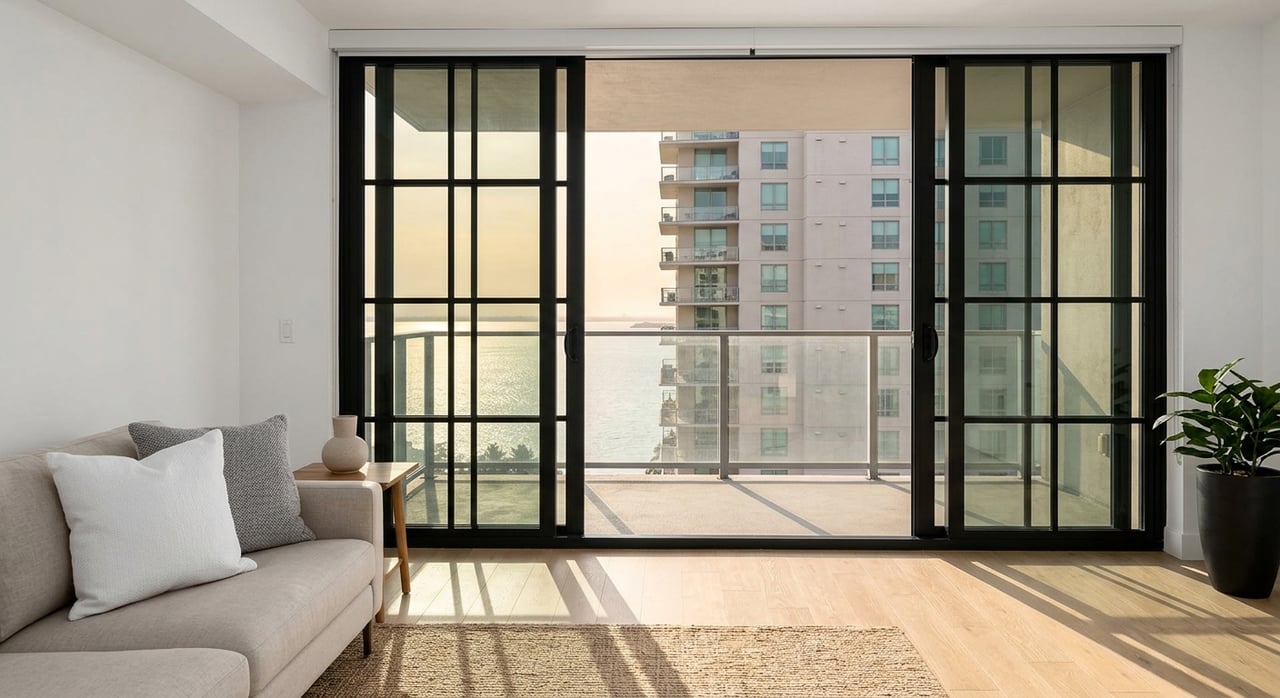



SoFi Real Estate - Location, Location, Location - Miami Beach Real Estate Buyers

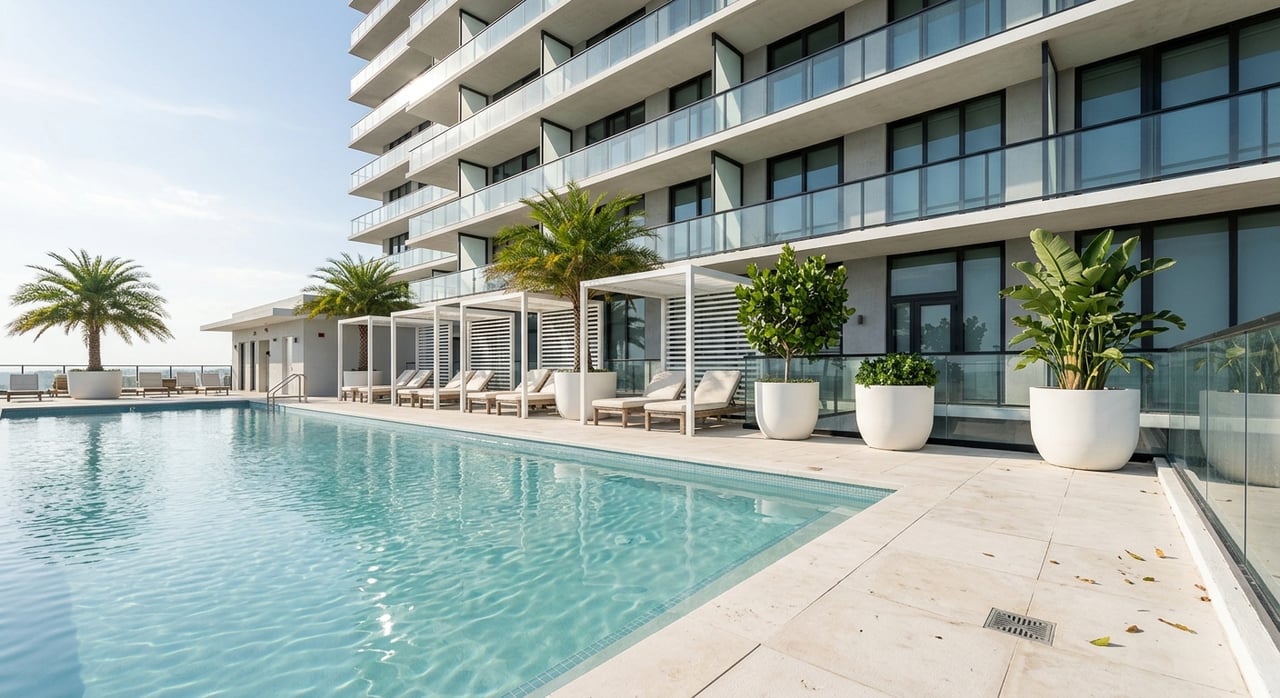
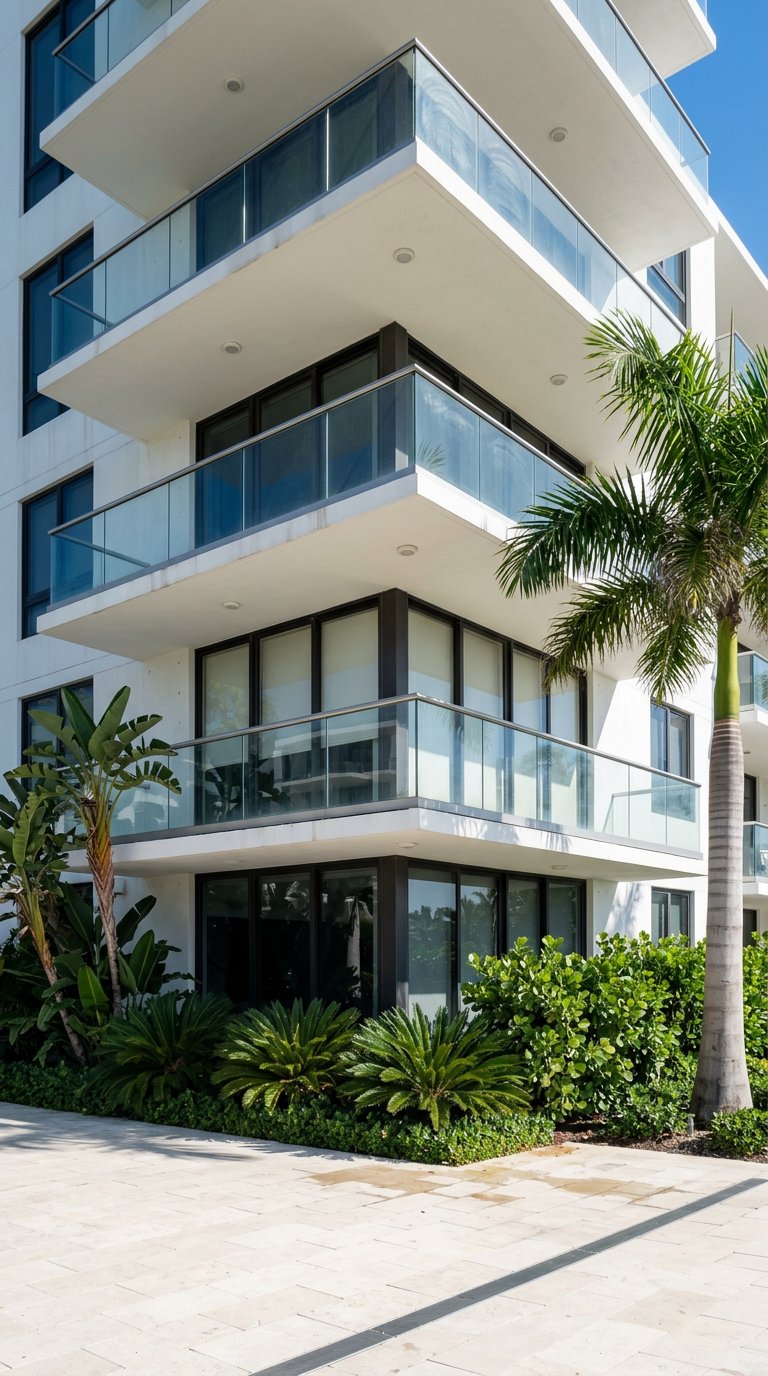
Whether you’re buying, selling, or investing, Properties &c. offers a personalized, concierge-style approach backed by deep local expertise. Let’s turn your real estate goals into a success story.