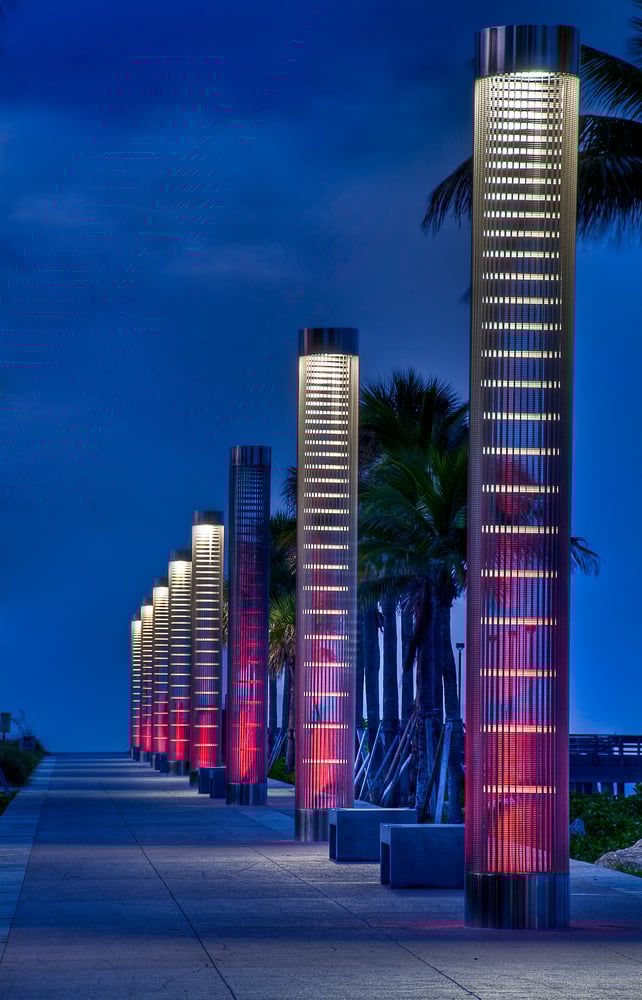
South of Fifth Luxury Condos Miami Beach: 2026 Buyer Guide
Sean Greco April 8, 2026
Sean Greco April 8, 2026
South of Fifth—affectionately known as SoFi—occupies the southernmost tip of Miami Beach, a geographic exclusivity that translates directly into market resilience. In 2026, while broader South Florida markets navigate inventory expansion and shifting buyer dynamics, SoFi maintains its position as Miami's most prestigious micro-market, where scarcity meets uncompromising luxury.
This distinction isn't merely geographic. SoFi represents what I call "the absolute ceiling of the Miami market"—a concentrated collection of architectural masterpieces where trophy assets continue commanding premium pricing even as the broader condo segment shows clear buyer leverage. The neighborhood's boundaries are defined by water on three sides, creating an inherent supply constraint that no amount of new development can overcome.
The 2026 market presents a nuanced opportunity. While inventory expanded materially in 2025 across South Florida's condo markets, SoFi's premier towers—Apogee South Beach, Continuum North and South, Murano at Portofino, and Glass Miami Beach—maintain their allure among ultra-high-net-worth buyers seeking privacy, prestige, and long-term value preservation.
This comprehensive guide provides the market intelligence you need to navigate SoFi's luxury landscape in 2026: current pricing dynamics, building-by-building analysis, negotiation strategies for the current environment, and the investment thesis that continues attracting billionaires and discerning buyers to this exclusive enclave. Whether you're relocating from Brickell's vertical density or the rising North Beach corridor, understanding SoFi's unique market position is essential to making an informed acquisition decision.
The South of Fifth market in 2026 exists at a fascinating intersection: broader market conditions favor buyers, yet the neighborhood's premier assets continue demonstrating pricing power that defies conventional market dynamics. Understanding this duality is critical for sophisticated buyers.
South Florida's luxury condo market experienced significant inventory expansion in 2025, with Miami surpassing New York for the highest number of $1 million-plus listings in the country by year-end. This supply increase has created genuine negotiation opportunities, particularly in the condo segment. However, SoFi's performance diverges meaningfully from broader trends.
Luxury pricing in Miami Beach demonstrates the premium that South Beach buildings command in the market. This pricing resilience reflects SoFi's fundamental scarcity—there are only a handful of truly trophy buildings in this micro-market, and their waterfront positioning cannot be replicated.
The current market environment favors buyers in specific ways. Elevated inventory levels across South Florida, combined with higher ownership friction in some older buildings—including safety compliance costs and reserve-funding pressures—have increased price sensitivity and extended decision cycles. Sellers who once expected bidding wars now face more measured negotiations.
Yet this buyer leverage manifests differently across property types. While condos show clearer negotiation opportunities, select single-family estates and the most coveted waterfront trophy assets remain competitive. In SoFi specifically, buildings with impeccable management, strong reserves, and modern infrastructure maintain pricing power even in a softer overall market.
The distinction matters for your acquisition strategy. A well-maintained unit in Continuum or Apogee—buildings with resort-caliber amenities and robust financial health—will negotiate differently than a comparable unit in an older building facing special assessments or insurance challenges. The key is understanding which assets represent true scarcity versus which reflect broader market softness.
Miami's ultra-luxury segment recorded 361 home sales priced at $10 million and above in 2025, marking the second-highest year on record. This data point underscores an important reality: at the absolute top of the market, where SoFi's premier penthouses and estates reside, demand from global wealth remains robust. These buyers aren't attempting to time the market—they're securing irreplaceable assets in an irreplaceable location.
The billionaire migration to Miami continues accelerating in 2026. Recent high-profile acquisitions exemplify this trend: Google co-founder Larry Page purchased a $173 million estate in Coconut Grove, representing one of Miami's most significant luxury transactions. His Google co-founder Sergey Brin also acquired a luxury property in Miami Beach, joining the tech elite's Florida migration. Facebook founder Mark Zuckerberg expanded his Miami Beach real estate portfolio with a substantial estate purchase, while Palantir co-founder Alex Karp secured a premium Miami Beach property. Starbucks founder Howard Schultz completed a luxury acquisition in nearby Bal Harbour, further demonstrating the appeal of South Florida's premier neighborhoods. These ultra-high-net-worth buyers recognize Miami's transformation into a global wealth hub, with technology billionaires and business leaders seeking tax efficiency, lifestyle enhancement, and trophy real estate in America's most dynamic luxury market. Their collective investment in South Florida's coastal communities underscores the region's emergence as a legitimate alternative to traditional wealth centers like New York and California.
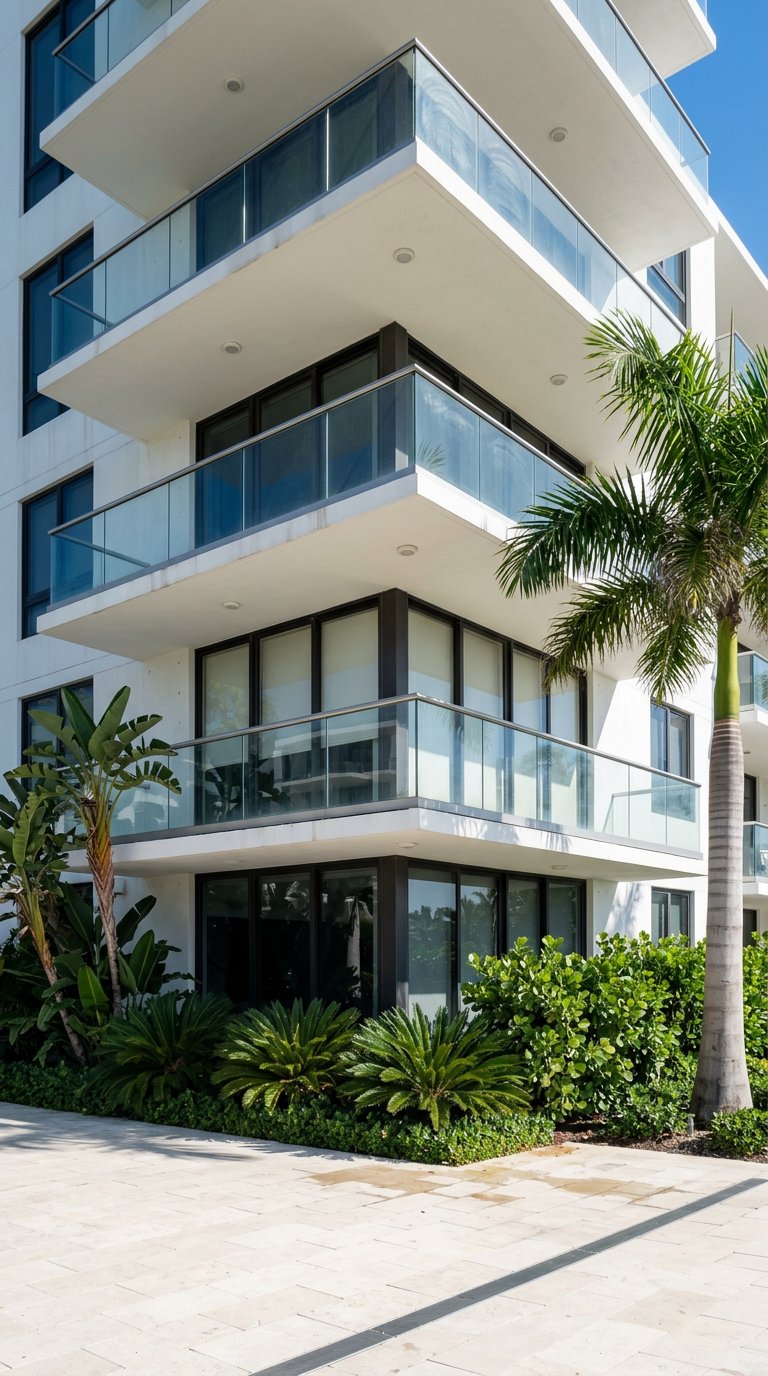
Apogee South Beach stands as SoFi's architectural icon, a 22-story tower designed by Arquitectonica that redefined luxury condominium living when it debuted. The building's distinctive curved façade and floor-to-ceiling glass create residences where the Atlantic Ocean feels like an extension of your living space.
What distinguishes Apogee is its commitment to privacy and exclusivity—just 67 residences occupy the entire tower, with only two units per floor in most configurations. Typical units range from 2,700 to 8,200 square feet, featuring flow-through layouts that capture both sunrise ocean views and sunset bay vistas.
The building attracts a specific buyer profile: established wealth seeking turnkey luxury with hotel-caliber service. The 24-hour concierge, private restaurant, oceanfront pool, and spa facilities create a resort experience without sacrificing residential privacy. For buyers relocating from Brickell who want to maintain full-service amenities while gaining beachfront positioning, Apogee represents the ideal transition.
Continuum operates as a 12-acre private resort within SoFi, comprising two towers that define the sprawling, amenity-rich luxury experience. These aren't merely condominiums—they're a lifestyle ecosystem with three pools, a private beach club, full-service spa, fitness center, and multiple dining venues.
The residences themselves emphasize space and comfort. Units typically range from 1,800 to over 4,000 square feet, with generous terraces that often add another 500 to 1,000 square feet of outdoor living space. This makes Continuum particularly appealing to families or buyers seeking a primary residence rather than a pied-à-terre.
The value proposition centers on resort-style living with the security and privacy of a gated community. For buyers relocating from North Beach or Sunny Isles who appreciate comprehensive amenities but want SoFi's prestige, Continuum delivers without compromise.
Murano at Portofino brings European elegance to SoFi's waterfront, a 37-story tower that emphasizes refined aesthetics and sophisticated design. The building's Italian-inspired architecture and interiors create an atmosphere distinct from the contemporary glass towers that dominate Miami Beach.
Residences feature high ceilings, expansive terraces, and finishes that prioritize timeless elegance over trendy modernism. The building includes 189 units, making it slightly larger than boutique properties like Glass but maintaining an intimate scale compared to mega-developments elsewhere in Miami.
The building appeals to buyers who appreciate classic luxury and prefer a more traditional aesthetic. International buyers, particularly from Europe and South America, often gravitate toward Murano's design sensibility and its balance of privacy with comprehensive amenities including a bayfront pool, fitness center, and spa.
Glass Miami Beach represents the pinnacle of boutique luxury in SoFi—just 10 residences occupy this intimate building, creating an exclusivity that larger towers cannot replicate. Each residence is a full-floor estate ranging from 4,000 to over 6,000 square feet, with penthouses exceeding 10,000 square feet.
The building's design prioritizes privacy and customization. Buyers often purchase units as shells, working with architects to create fully bespoke interiors. This appeals to ultra-high-net-worth individuals who view their residence as a personal statement rather than a turnkey acquisition.
The buyer profile skews toward established wealth seeking absolute privacy—celebrities, business leaders, and family offices who value discretion above all else. Glass offers none of the resort amenities found at Continuum or Apogee; instead, it provides something increasingly rare in Miami: genuine seclusion in a premier location.
Your ideal SoFi building depends on lifestyle priorities and how you'll use the residence. Relocating from Brickell and want full-service amenities with beachfront access? Apogee delivers. Seeking a family-friendly primary residence with resort facilities? Continuum's sprawling layouts and comprehensive amenities make sense. Prefer European elegance and a more traditional aesthetic? Murano offers that distinction. Require absolute privacy and boutique scale? Glass is purpose-built for that buyer.
The market in 2026 offers inventory across all these buildings, creating genuine choice for qualified buyers—a dynamic that hasn't always existed in SoFi's supply-constrained environment.
At the $1 million to $3 million price point, you're typically acquiring 1,200 to 2,000 square feet in buildings like Murano at Portofino, The Floridian, or smaller units in Continuum. These residences offer genuine luxury finishes, building amenities, and the SoFi address, though you'll likely compromise on floor level, direct ocean views, or square footage.
This segment represents the entry point for buyers seeking SoFi's lifestyle and long-term appreciation potential. Units in this range often appeal to pied-à-terre buyers, young professionals, or investors seeking rental income in Miami Beach's most prestigious neighborhood. Miami's value proposition becomes evident in this price range, offering substantially more space than comparable investments in New York, London, or Hong Kong.
The $3 million to $7 million range represents SoFi's sweet spot—where you secure premium finishes, larger layouts (2,500 to 4,000 square feet), and direct ocean views in the neighborhood's premier buildings. This is where Apogee, Continuum, and upper-floor Murano units reside.
At this price point, you're no longer compromising. Residences feature flow-through layouts capturing both ocean and bay views, chef's kitchens with top-tier appliances, spa-inspired master bathrooms, and expansive terraces that effectively double your living space. Building amenities become truly resort-caliber: private beach clubs, full-service spas, multiple pools, and 24-hour concierge services.
This segment attracts primary residence buyers and affluent families who view their SoFi property as a lifestyle anchor rather than merely an investment. The residences in this range offer the space and amenities to entertain, accommodate family, and truly live the Miami Beach luxury lifestyle.
Above $7 million, you enter SoFi's trophy asset category—penthouses, full-floor estates, and beachfront residences that represent the absolute apex of Miami Beach luxury. These properties contributed to Miami's remarkable 361 ultra-luxury sales at $10 million and above in 2025, demonstrating sustained demand at the market's highest tier.
Trophy assets in Glass, Apogee penthouses, and Continuum beachfront estates offer 5,000 to 10,000+ square feet, private elevator access, rooftop terraces, and often custom architectural modifications. These aren't standard condominiums—they're bespoke residences that happen to exist within a luxury building.
The buyer profile at this level includes billionaires, celebrities, and family offices seeking a Miami presence. Recent examples include Google co-founder Larry Page's $173 million Coconut Grove purchase, part of a broader migration of California wealth seeking tax efficiency and lifestyle enhancement. At this tier, properties rarely hit the open market—they're transacted through off-market channels and specialized agents with UHNW networks.
SoFi's pricing premium over other Miami submarkets reflects its scarcity and prestige. The neighborhood's premier buildings command premium pricing that reflects their irreplaceable positioning, limited supply, and proven resilience through market cycles.
This premium is justified by irreplaceable positioning, limited supply, and the neighborhood's proven resilience through market cycles. For buyers evaluating SoFi against alternatives, the question isn't whether you're paying more per square foot—you are—but whether the scarcity, lifestyle, and long-term value preservation justify that premium. For most ultra-high-net-worth buyers, the answer remains yes.
The 2026 market environment creates specific negotiation opportunities for informed buyers, particularly in the condo segment where inventory expansion has shifted leverage. Understanding how to identify and capitalize on these opportunities separates successful acquisitions from overpaying.
Several factors have increased sellers' willingness to negotiate. First, elevated inventory across South Florida means buyers have genuine alternatives—the urgency that drove bidding wars in 2020-2022 has dissipated. Second, higher ownership friction in some older buildings, including safety compliance costs and reserve-funding pressures, has made some owners more motivated to exit.
Third, extended decision cycles mean properties sit longer on the market. A listing that would have received multiple offers within days now might take longer to transact, creating psychological pressure on sellers to adjust pricing or offer concessions.
In SoFi specifically, this dynamic affects different buildings differently. Well-managed properties with strong reserves and modern infrastructure negotiate less aggressively, while buildings facing special assessments or insurance challenges may see more motivated sellers.
Sophisticated buyers look beyond listing price to identify genuine opportunities. Key indicators include: buildings with pending or recently completed special assessments (owners may want to exit before the next one), properties listed for extended periods with multiple price reductions, and sellers who purchased during the 2020-2022 peak and now face carrying costs that exceed their expectations.
Building financial health matters enormously. Request reserve studies, pending assessment information, and insurance premium trends during due diligence. A building with a $5 million deferred maintenance liability will negotiate very differently than one with fully funded reserves and no pending assessments.
Many of SoFi's best opportunities never reach public listing platforms. Trophy assets, in particular, transact through private networks where specialized agents connect qualified buyers with motivated sellers before properties hit the MLS.
This off-market ecosystem requires relationships with agents who maintain UHNW networks and have direct access to building residents and their representatives. These professionals know which owners are considering selling before listings go live, which penthouses might become available through estate situations, and which buildings have owners facing financial pressure.
For buyers seeking specific criteria—a full-floor unit in Apogee, a beachfront estate in Continuum, or a penthouse in Glass—off-market connectivity often provides the only path to acquisition, as these properties rarely require public marketing.
Beyond standard inspections, SoFi buyers must evaluate building-specific factors that affect long-term value and carrying costs. Building financial statements reveal reserve levels, pending assessments, and operational efficiency. Reserve studies project future capital needs and potential special assessments.
Due diligence is a critical phase of any luxury condo acquisition, allowing buyers to thoroughly investigate the property, building finances, and potential liabilities before finalizing the purchase. The due diligence period is a negotiated term that varies based on transaction complexity, building transparency, financing requirements, and buyer sophistication—each deal presents unique circumstances requiring appropriate investigation time.
Insurance costs deserve particular attention. Rising premiums across South Florida affect all properties, but buildings with robust construction, modern systems, and strong loss histories negotiate better rates. Request three years of insurance premium history and projected increases—a building where premiums doubled recently may see further increases ahead.
Finally, understand the building's governance and owner composition. Buildings with high investor concentration and rental activity trade differently than owner-occupied properties. Review rental restrictions, pending rule changes, and any litigation involving the condo association.
A notable trend in 2026 involves buyers relocating from Miami's denser submarkets to SoFi's exclusivity. Residents of Brickell's vertical towers and North Beach's rising corridor increasingly seek the low-density, waterfront lifestyle that only SoFi provides. This migration reflects a maturation of buyer priorities—after experiencing Miami's urban density, affluent buyers gravitate toward the neighborhood that offers both city proximity and resort-style living.
California's wealth tax discussions continue driving billionaire migration to Florida. Google co-founder Larry Page's $173 million Coconut Grove purchase exemplifies this trend—ultra-high-net-worth individuals establishing Florida residency for tax efficiency while securing trophy real estate in the state's most prestigious locations.
This migration isn't merely about tax savings; it reflects a broader recognition of Miami's transformation into a legitimate global city with cultural institutions, business infrastructure, and luxury amenities that rival traditional gateway markets. SoFi benefits disproportionately from this trend, as relocated billionaires seek the privacy and prestige that only this micro-market provides.
Smart home integration has evolved from luxury amenity to standard expectation. Today's SoFi buyers expect comprehensive home automation—climate control, lighting, security, and entertainment systems integrated through unified platforms. Buildings that haven't modernized their infrastructure to support these technologies face competitive disadvantages.
Sustainable features similarly transition from niche interest to mainstream requirement. Energy-efficient systems, water conservation technologies, and sustainable materials increasingly influence buying decisions, particularly among younger ultra-high-net-worth buyers who view environmental responsibility as non-negotiable.
Rising insurance premiums and climate concerns affect all South Florida real estate, but SoFi's modern construction standards and robust building infrastructure provide meaningful advantages. Buildings like Apogee and Continuum, constructed to stringent hurricane codes with impact-resistant glass and advanced structural engineering, negotiate better insurance rates and provide greater long-term security than older construction.
Sophisticated buyers evaluate not just current insurance costs but projected increases and the building's resilience to climate-related risks. SoFi's elevation, modern construction, and well-capitalized buildings position the neighborhood favorably relative to broader South Florida markets.
While Miami surpassed New York for $1 million-plus listings by the end of 2025, SoFi's supply remains fundamentally constrained. The neighborhood's geographic boundaries prevent meaningful new development—there's no land left to build trophy towers. This scarcity premium ensures that SoFi maintains pricing power even as broader markets soften.
For long-term investors, this supply constraint represents the core investment thesis. As Miami continues attracting wealth and population, demand for SoFi's irreplaceable waterfront positioning will only intensify, supporting both rental income and appreciation potential.
SoFi's appeal extends far beyond the buildings themselves. South Pointe Park provides 17 acres of waterfront green space with walking paths, playgrounds, and stunning ocean views. The neighborhood's dining scene includes iconic establishments like Prime 112 and Joe's Stone Crab alongside emerging culinary destinations that attract both residents and visitors.
Marina access at nearby facilities enables yacht ownership, while the neighborhood's walkability means residents can access beaches, restaurants, and entertainment without vehicles. This pedestrian-friendly environment distinguishes SoFi from car-dependent Miami suburbs and creates a genuine neighborhood feel despite the luxury price points.
Art Basel Miami Beach, one of the world's premier art fairs, occurs minutes from SoFi each December, transforming the neighborhood into a global cultural epicenter. Year-round, residents enjoy proximity to Miami Beach's cultural venues, Lincoln Road's shopping and dining, and the broader Miami arts scene.
This cultural richness matters to the sophisticated buyers SoFi attracts. These aren't merely vacation home buyers seeking sun and sand—they're globally mobile individuals who expect world-class culture, dining, and entertainment alongside luxury real estate.
SoFi represents what I characterize as "the absolute ceiling of the Miami market"—the neighborhood where pricing peaks and scarcity is most acute. This positioning provides downside protection during market corrections and upside leverage during expansions.
Historical performance supports this thesis. During the 2008-2012 downturn, SoFi's premier buildings declined less than broader Miami markets and recovered faster. The neighborhood's combination of limited supply, waterfront positioning, and ultra-high-net-worth buyer base creates resilience that less exclusive markets cannot replicate.
For investors seeking income generation, SoFi offers strong rental demand from both long-term tenants and short-term vacation renters (where building rules permit). Premium units in Continuum or Apogee can generate substantial monthly income in long-term rentals, while short-term rentals during peak season command even higher rates.
However, buyers should verify building rental policies during due diligence, as some properties restrict or prohibit short-term rentals. Long-term rental income provides more stable cash flow and typically faces fewer regulatory restrictions.
Miami's fundamentals—population growth, business migration, international investment, and tax advantages—support continued appreciation in premier submarkets like SoFi. The neighborhood's supply constraint ensures that demand growth translates directly into pricing power.
Industry experts note that "Miami has transformed from a vacation destination into a global hub for business, art, and luxury living." This transformation supports long-term value creation, particularly in irreplaceable locations like SoFi where supply cannot respond to demand increases.
For buyers with 10-20 year investment horizons, SoFi represents a compelling combination of lifestyle enjoyment and wealth preservation with appreciation potential.
Navigating SoFi's luxury market requires more than browsing listings online. Successful acquisitions begin with proper market intelligence, specialized representation, and a clear understanding of your priorities and timeline.
Start by defining your requirements: primary residence or pied-à-terre? Family-friendly amenities or boutique privacy? Modern glass architecture or European elegance? Ocean views or bay views? These decisions narrow your building options and focus your search.
Next, establish your budget including not just purchase price but ongoing carrying costs—condo association fees, insurance, property taxes, and potential special assessments. SoFi's premier buildings typically charge substantial monthly condo association fees, with insurance adding thousands more annually.
Engage specialized representation early. Agents with UHNW experience and SoFi expertise provide access to off-market inventory, building-specific intelligence, and negotiation strategies that generic luxury agents cannot match. These professionals understand the nuances that differentiate buildings and can guide you toward properties that match your specific requirements.
The timeline from initial search to closing varies significantly based on your specific requirements, whether you're pursuing listed or off-market inventory, and the complexity of your transaction. Trophy assets and highly specific criteria may require extended search periods as you wait for the right opportunity to emerge.
Once you're under contract, the due diligence period allows time for inspections, building financial review, and board approval processes. The length of this period is negotiated based on transaction complexity and specific circumstances. SoFi's premier buildings maintain rigorous approval standards, requiring financial documentation, reference letters, and sometimes personal interviews.
International buyers should account for additional time establishing U.S. banking relationships and structuring ownership entities for tax efficiency and asset protection. Working with specialized real estate attorneys and tax advisors familiar with foreign investment in U.S. real estate streamlines this process.
SoFi's market operates differently than broader Miami real estate. The neighborhood's limited inventory, off-market transaction culture, and ultra-high-net-worth buyer base require representation that understands these dynamics.
Specialized luxury agents provide several critical advantages: access to off-market inventory before it reaches public platforms, building-specific intelligence including financial health and pending assessments, negotiation expertise calibrated to current market conditions, and networks of service providers—attorneys, lenders, inspectors—experienced with luxury transactions.
Perhaps most importantly, these professionals understand UHNW buyer requirements around privacy, discretion, and service expectations. They facilitate transactions efficiently while maintaining the confidentiality that high-profile buyers require.
Whether you are seeking the boutique privacy of Glass Miami Beach or the sprawling resort-style amenities of Continuum, the inventory in SoFi represents the absolute ceiling of the Miami market. The neighborhood's combination of geographic exclusivity, architectural distinction, and lifestyle amenities creates a value proposition that no other Miami submarket can replicate.
The 2026 market environment—with genuine buyer leverage in the condo segment yet sustained demand for trophy assets—creates an opportune moment for informed acquisitions. Buyers who approach SoFi with proper market intelligence, specialized representation, and clear investment criteria will find opportunities that deliver both lifestyle enjoyment and long-term value preservation.
Your South of Fifth residence awaits. The question isn't whether to invest in Miami's most prestigious neighborhood, but which building and which residence best aligns with your lifestyle and investment objectives. With proper guidance and market knowledge, 2026 presents an excellent moment to secure your position in this exclusive enclave.
Ready to explore South of Fifth's luxury inventory? Schedule a confidential consultation with a specialized SoFi real estate professional to access off-market listings, receive personalized market analysis, and develop your acquisition strategy for Miami Beach's most coveted address.
Stay up to date on the latest real estate trends.
SoFi Real Estate - Location, Location, Location - Miami Beach Real Estate Buyers
Whether you’re buying, selling, or investing, Properties &c. offers a personalized, concierge-style approach backed by deep local expertise. Let’s turn your real estate goals into a success story.