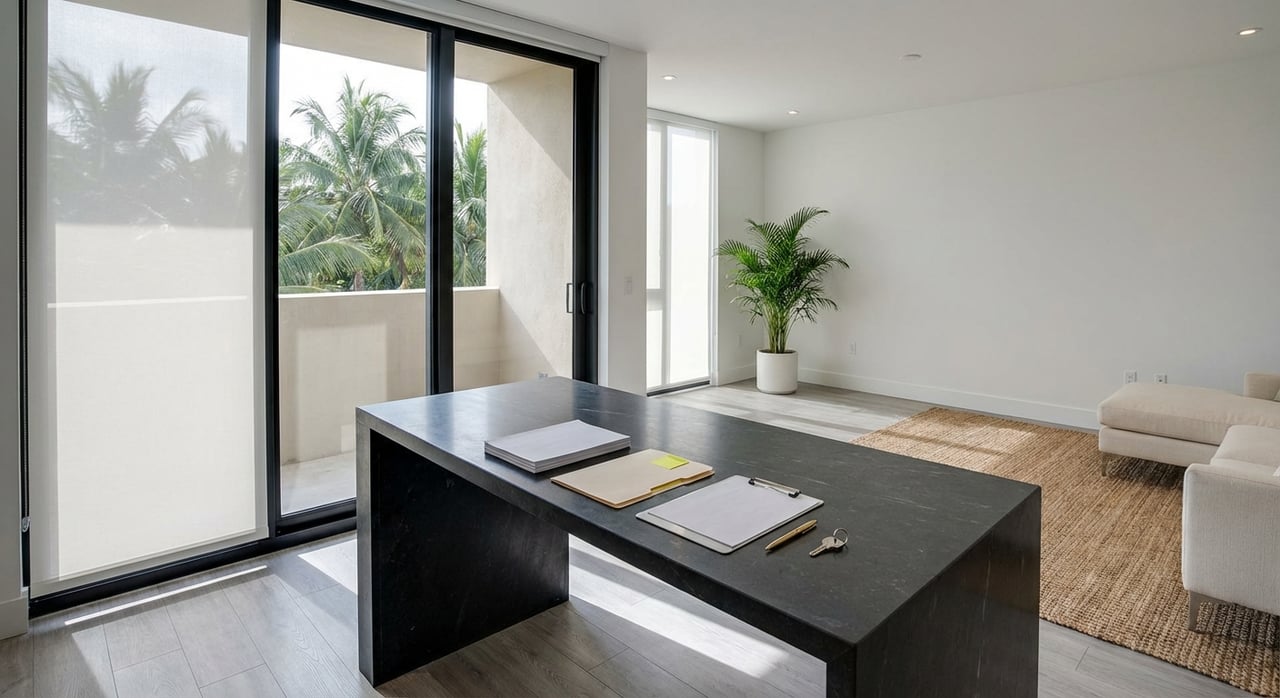
South Beach Condo Rental Rules for 33139 Condo Buyers
February 19, 2026
February 19, 2026
Thinking about buying a South Beach condo to use as a vacation rental? In 33139, short-term rental rules are specific and actively enforced, so one missed detail can block your plans or lead to fines. This guide shows you exactly what to check before you buy, how to confirm legal use, and the permits you need to operate. Let’s dive in.
Miami Beach treats rentals of less than six months and one day as short-term or vacation rentals. The City restricts this use in many residential areas. Review the definition and where the use is allowed in Miami Beach’s land development regulations before you get serious about a unit.
First, confirm the address is eligible for short-term rentals under City rules. Start with the City’s Practice Safe Renting address lookup. If the property does not appear as permitted or registered for short-term use, assume the use is not authorized until proven otherwise.
Even in an eligible zone, the building can prohibit or limit short-term rentals. Miami Beach requires a current association letter for licensing that states whether your specific unit can be rented short term and under what terms. If the declaration sets a minimum lease term or a rental cap, you must follow it.
Also know how new condo amendments apply. Many condo rental restrictions are not retroactive to owners who did not consent, and they often bind buyers who take title after the effective date. Review guidance on amendment timing and “grandfathering” in this overview of amendments to condo rental rules and grandfathering, then verify the recorded documents for your building.
Legal operation in Miami Beach requires City approvals and, in many cases, a state license. The City issues a Certificate of Use and a Business Tax Receipt, and your application must include items like the deed, an association letter, and resort tax registration. See the City’s Certificate of Use and Business Tax Receipt process and the short-term rental requirements checklist.
At the state level, the Florida DBPR classifies and licenses vacation rentals. A whole unit rented more than three times a year for periods under 30 days often requires a state license. Review the DBPR vacation rental licensing guide and search the DBPR license database to confirm status.
Important: A state license does not override a condo ban. Recent statutory changes give the state authority to suspend or revoke licenses when the operation violates binding property restrictions. See the recent statutory authority to suspend licenses for private restriction violations.
Use this sequence before making an offer. Build these items into your contract as contingencies where needed.
Run the Practice Safe Renting address lookup. If the address is not listed as permitted, dig deeper before proceeding.
Request a current association letter (dated within 60 days) that states whether your specific unit can be rented short term and lists any minimum terms, caps, or owner-occupancy rules. The City requires this letter for licensing.
Obtain the building’s governing documents: Declaration of Condominium, Bylaws, Rules and all recorded amendments. Confirm any rental minimums and whether rental caps are already filled. Cross-check amendment dates to see if they bind you as a new owner.
Ask the seller for copies of the unit’s City approvals and registrations: CU, BTR, and resort tax account. Verify against the City’s Certificate of Use and Business Tax Receipt process and the short-term rental requirements checklist.
Check the DBPR license database for an active state vacation rental license if your intended use requires it under the DBPR vacation rental licensing guide.
Review recent association meeting minutes for pending rental-rule changes or litigation. If an amendment is in the works, get the exact text and timeline.
Confirm any past code enforcement issues. Repeated violations can block renewals or trigger penalties. Ask for proof that prior citations are cleared.
Red flag: A listing shows nightly income, but there is no City CU or BTR and no DBPR license. Fix: Require a clean association letter and copies of active City and state registrations before closing, or walk.
Red flag: The declaration sets a 90- or 180-day minimum lease term that conflicts with your plan. Fix: Get recorded copies of the docs and a fresh association letter that states what is allowed for the specific unit.
Red flag: A rental-rule amendment vote is pending. Fix: Review minutes and amendment language with counsel and consider contract clauses that address outcomes.
Red flag: CU expired or DBPR license suspended. Fix: Make closing contingent on reinstatement with documented approvals in escrow.
Red flag: The seller claims homestead status despite significant short-term activity. Fix: Review tax records and get advice on homestead implications.
Miami Beach actively enforces its code. Violations can lead to eviction of guests, administrative actions, and penalties. A 2020 appellate decision limited the City’s ability to impose unconstrained fines, but it did not eliminate the City’s permitting program or enforcement options. For context, review the Third District Court of Appeal decision on fines, then confirm current practice for your specific building and address.
Miami Beach requires you to include your CU, BTR, and resort tax numbers in advertisements. Verify that all listings display the correct numbers and match City records. Platform tax collection does not replace your local registration duties.
Expect fire and life-safety review as part of City permitting. The DBPR also enforces safety and sanitation standards for licensed vacation rentals. Keep inspection certificates current and on hand for renewal.
Short-term renting can affect a homestead exemption. The City’s checklist includes a written acknowledgment about homestead status. Work with a tax advisor before you list your unit.
In dense South Beach blocks, guest parking and building house rules are practical constraints. Get the building’s parking plan and guest policies, and align your house rules with association standards.
If you want a South Beach condo you can rent legally from day one, you need a clear plan and the right documents in hand. Our boutique team pairs acquisition expertise with integrated property management and mortgage solutions so you move from offer to compliant operation without friction. Call or text Sean Greco to review addresses, vet building rules, and set up your 33139 rental the right way.
Stay up to date on the latest real estate trends.

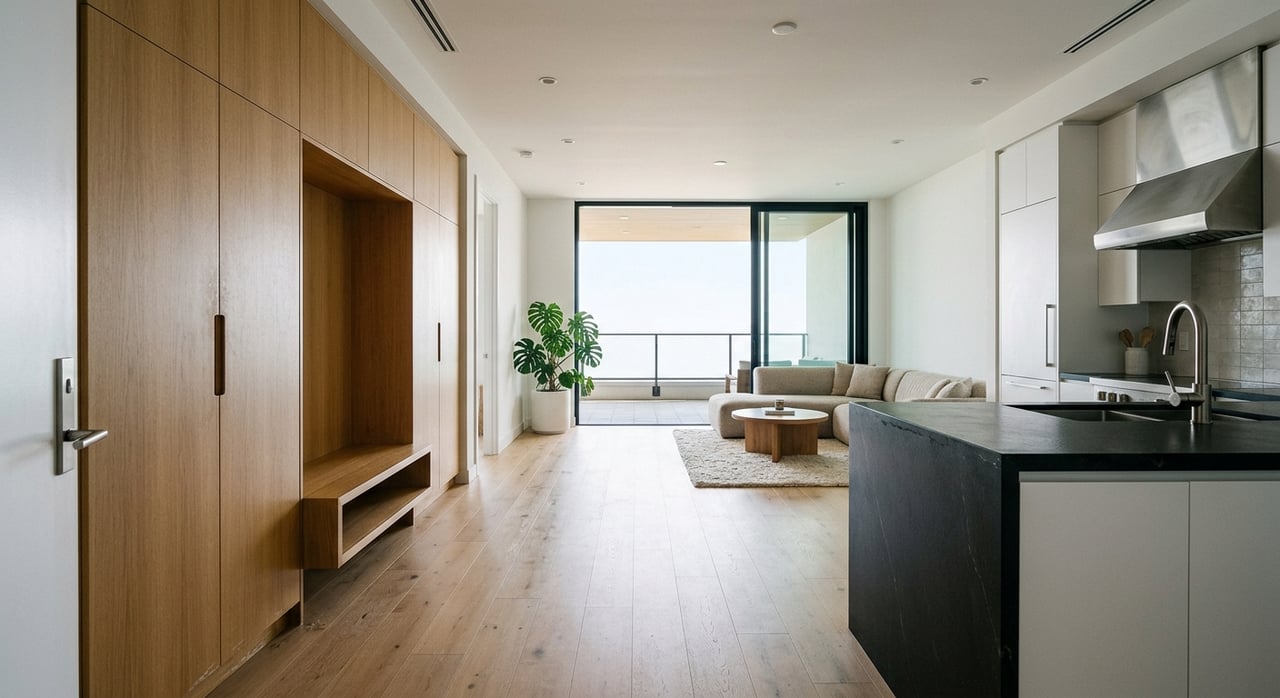

SoFi Real Estate - Location, Location, Location - Miami Beach Real Estate Buyers

Whether you’re buying, selling, or investing, Properties &c. offers a personalized, concierge-style approach backed by deep local expertise. Let’s turn your real estate goals into a success story.