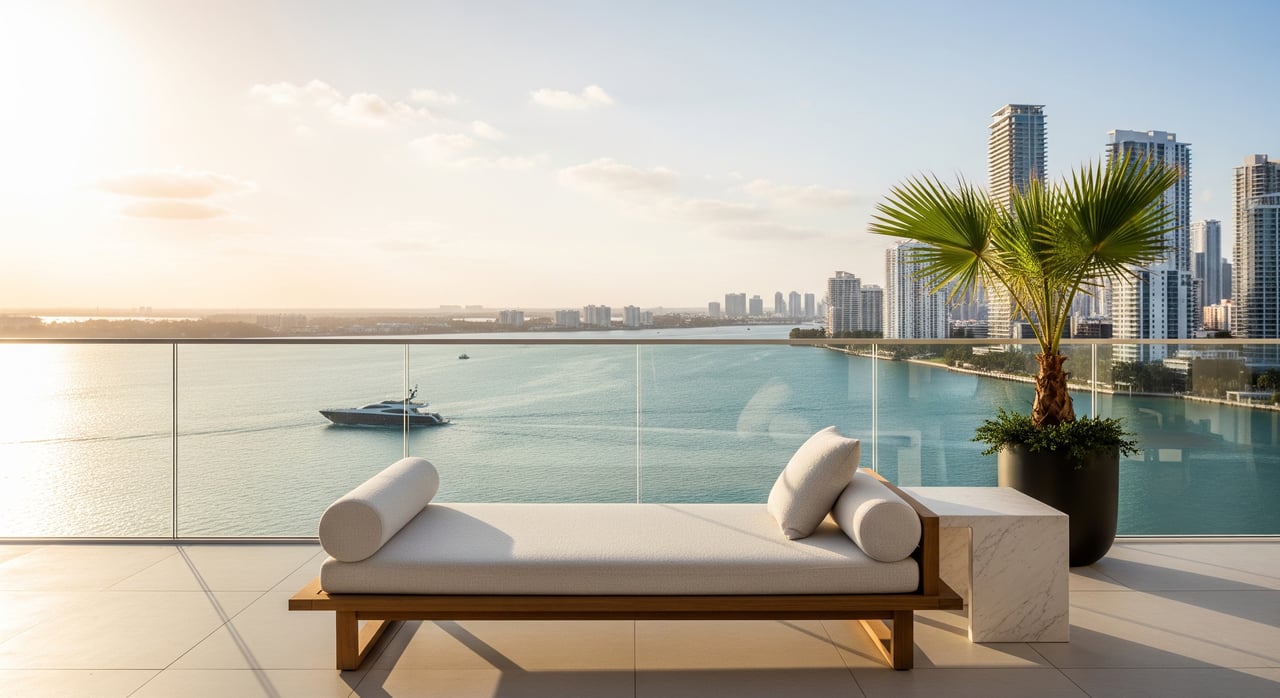
Brickell Or South Beach For Your Next Condo
February 12, 2026
February 12, 2026
Trying to decide between a Brickell high-rise or a South Beach address? You are not alone. Both neighborhoods offer world-class condos, but the daily experience, ownership costs, commute patterns and investment outlook feel very different. In this guide, you will see the key tradeoffs so you can match your goals to the right place and the right building. Let’s dive in.
You get a dense, walkable city experience with quick access to office towers, cafes, restaurants and Brickell City Centre. Many residents are professionals who value short commutes and building amenities that simplify daily life. Nights out feel local and lively, and errands can often be done on foot.
Here, you find ocean access, outdoor living and the famous Art Deco streetscape. The vibe ranges from quiet luxury in South of Fifth to more tourist activity along Ocean Drive and Collins Avenue. Expect a seasonal swell of visitors, a strong hospitality scene and a resort-style pace, especially near the beachfront.
Brickell’s skyline is packed with mid to super-tall towers, many built from the 2000s through the 2020s. Expect concierge services, pools, fitness centers, valet and coworking lounges. These features can drive higher association fees, along with the cost of operating elevators, security and large shared spaces.
You will find a blend of classic Art Deco low-rises from the 1920s–1940s and newer luxury oceanfront towers with resort amenities. Some older buildings may have smaller footprints and lower monthly fees, but you should weigh the risk of deferred maintenance, capital improvements or required upgrades. Premium oceanfront towers often have fees comparable to Brickell’s luxury buildings.
In older South Beach buildings, be mindful of potential special assessments tied to plumbing, elevator modernization or hurricane hardening. Brickell’s newer towers often meet current codes, but large mechanical systems and façade work still carry cost exposure. In both areas, you should review building reserves, current budgets and any planned projects before you buy.
Insurance is another key factor. Florida’s property insurance market has been volatile. Both wind and flood coverage can be material line items, especially for coastal high-rises. Ask for example quotes, deductibles and any mitigation credits the building may offer.
If you value short commutes and options beyond a car, Brickell stands out. You have the Metrorail at Brickell Station, the free Metromover downtown loop and extensive bus routes. Miami International Airport is typically a 10 to 25 minute drive depending on traffic. Car ownership is still common, but your daily trips can be shorter and easier.
South Beach relies on local buses and trolley service. To reach mainland job centers, you will cross the MacArthur or Venetian causeways, where traffic can vary by time of day. In some areas, on-street parking is limited, and older buildings can have fewer assigned spaces, so confirm your parking rights and guest policies.
Pick Brickell if you work downtown or want more transit and micro-commute options. Choose South Beach if beach access and an outdoor lifestyle matter most, and you are comfortable with bridge commutes to the mainland.
Historically, Brickell’s rapid development and urbanization drew strong buyer and renter demand, while newer supply can make some price tiers more competitive. In South Beach, prime oceanfront addresses often command higher prices per square foot, while inland or older buildings can be more moderate. Rental demand in South Beach tends to be more seasonal, while Brickell’s pool of year-round professionals can create steadier leasing.
Short-term rental rules are building-specific and shaped by city ordinances. Miami Beach has historically taken a stricter stance on vacation rentals, while City of Miami rules differ. If this is part of your plan, verify regulations directly with the City of Miami Beach and the City of Miami, then confirm the condominium’s own lease policies and minimums. Many Brickell investors favor longer-term leases that track local employment, while South Beach can support premium seasonal rates where allowed.
Both Brickell and South Beach sit in low-lying coastal zones. Risk varies by specific site elevation, building resilience and floor level. To understand exposure, start with official sources. Use the FEMA Flood Map Service Center to check the flood zone and base flood elevation for a specific address. For long-term sea-level context, explore the NOAA Sea Level Rise Viewer.
When you review a building, ask where critical mechanical and electrical systems are located, whether floodproofing or pump systems are in place and whether any resilience upgrades have been completed. Request example insurance quotes for wind and flood and compare deductibles and coverage limits across multiple carriers.
Before you write an offer, line up these items for the specific building and unit:
Whether you lean urban-core Brickell or beach-forward South Beach, the best move is to focus on the right building, the right floor plan and a clean association. If you want a streamlined path from search to close, with help on financing and a property management handoff if needed, reach out for local, end-to-end guidance. Call or text Sean Greco to compare buildings, review HOA health, line up insurance quotes and make a confident offer.
Stay up to date on the latest real estate trends.
SoFi Real Estate - Location, Location, Location - Miami Beach Real Estate Buyers
Whether you’re buying, selling, or investing, Properties &c. offers a personalized, concierge-style approach backed by deep local expertise. Let’s turn your real estate goals into a success story.