Leave a Message

By providing your contact information to Sean Greco, your personal information will be processed in accordance with Sean Greco's Privacy Policy. By checking the box(es) below, you consent to receive communications regarding your real estate inquiries and related marketing and promotional updates in the manner selected by you. For SMS text messages, message frequency varies. Message and data rates may apply. You may opt out of receiving further communications from Sean Greco at any time. To opt out of receiving SMS text messages, reply STOP to unsubscribe.

Thank you for your message. We will be in touch with you shortly.

Milestone Inspections and Reserves in 33140 Condos

January 1, 2026

Buying or owning a condo in 33140 raises smart questions about building safety, reserves, and future costs. You want a clear view of what you are buying, what it will cost to own, and how it might affect financing and resale. This guide breaks down milestone inspections and reserves in Mid‑Beach, so you can price, plan, and negotiate with confidence. Let’s dive in.

What milestone inspections are

Milestone inspections are professional structural evaluations that assess a building’s major components and life‑safety systems. A licensed engineer or architect examines structural elements, the building envelope, and related systems, then provides a written report. The goal is to identify deterioration early and outline needed repairs.

These inspections took on new urgency after the 2021 Surfside collapse. Florida strengthened rules, and local governments added requirements to keep buildings safe for occupancy. For you, this means more transparency about a condo’s condition and a clearer roadmap of upcoming capital work.

What to expect from the report

  • A summary of structural conditions and any observed deficiencies.
  • Recommended repairs, estimated timelines, and sometimes cost ranges.
  • A record suitable for filing with the county or city when required.

If a report shows significant work, expect the association to plan repairs, explore permits, and discuss how to fund the project through reserves, assessments, or both.

Timelines to verify in 33140

Florida law sets a baseline inspection cycle tied to a building’s age and coastal proximity. Public reporting often references a first milestone inspection around 25 to 30 years after completion, with follow‑ups about every 10 years. Local rules in Miami‑Dade and the City of Miami Beach can be more specific or stricter, so it is important to verify both levels before you buy or sell.

Why local rules matter

  • A building can meet state timing but still face county or city deadlines.
  • Local filing procedures, permits, or unsafe‑structure orders affect timing and cost.
  • Transitional rules after 2021 may adjust dates or professional qualifications.

When you are in contract, confirm the building’s timeline, whether the latest report is filed, and what work is pending. Timing influences your risk and your negotiating strategy.

Why reserves shape your monthly costs

Reserves are the association’s savings for big-ticket items like roofs, façades, balconies, elevators, and structural repairs. They are different from the operating account, which covers day‑to‑day expenses. The strength of the reserve fund shows up in your monthly HOA fees and in the likelihood of special assessments.

Reserve studies and funding targets

A reserve study inventories the major components, estimates useful life and replacement costs, and recommends annual funding. Best practice is an up‑to‑date study within the last 1 to 3 years, with a clear funding plan and a percent‑funded metric. After Surfside, many associations increased reserve contributions for structural items, which can raise monthly fees but reduce assessment shocks.

What you might see as an owner

  • Higher HOA fees that reflect proactive reserve funding and reduced assessment risk.
  • Lower HOA fees paired with thin reserves that raise the chance of large special assessments when inspections spot structural work.
  • Clearer budgeting if the board follows a written reserve plan.

How inspections and reserves affect deals

Milestone reports and reserve totals are not just paperwork. They influence your financing, appraisal, and resale value.

Lending and underwriting

Lenders look closely at project eligibility. Red flags include low reserves, large or imminent special assessments, active litigation, and any unsafe‑structure or similar orders. Some lenders will ask for recent inspection reports or proof that critical repairs are funded. Requirements vary by program and lender, so get clarity early if you plan to finance.

Appraisals and value

Appraisers consider recurring HOA fees and known near‑term capital needs. Documented repairs and expected assessments are often reflected in value adjustments. Units in buildings with strong, transparent reserves usually see smoother underwriting and more stable pricing than those in buildings with thin reserves and uncertain projects.

Pricing and negotiation

  • Higher HOA fees can be framed as risk reduction if they fund reserves well.
  • Thin reserves and known projects justify stronger buyer due diligence and potential price concessions.
  • Sellers gain credibility by providing inspection reports, reserve studies, and budget details up front.

Due diligence: documents to request

Ask for these during your inspection and contract review period. They reveal the building’s health and your likely costs.

  • Most recent reserve study and any prior studies.
  • Current reserve balance and recent financial statements.
  • Current year budget and the last 2 to 3 years of budgets.
  • Board meeting minutes for the last 12 to 24 months.
  • All milestone inspection and engineering reports, plus any repair design documents.
  • Building permit history related to structural or façade work.
  • Any code violations, county or city orders, or citations.
  • Special assessment history for the last 5 to 10 years, plus any voted or planned assessments.
  • Insurance summary for the master policy and wind coverage.
  • Litigation disclosures tied to construction defects or association governance.
  • Owner occupancy and rental policy, plus investor ratio if available.
  • Any written reserve funding policy adopted by the board.

Red flags to watch in Mid‑Beach

Coastal exposure in 33140 increases wear on concrete, steel, and façades. Keep an eye out for early signs that more digging is needed.

  • No recent reserve study or a study older than 3 to 5 years.
  • Thin reserves with visible deferred maintenance.
  • Minutes referencing big projects without clear funding.
  • Pending unsafe‑structure orders or open code violations.
  • Active litigation tied to structural issues.

Local context: what to expect in 33140

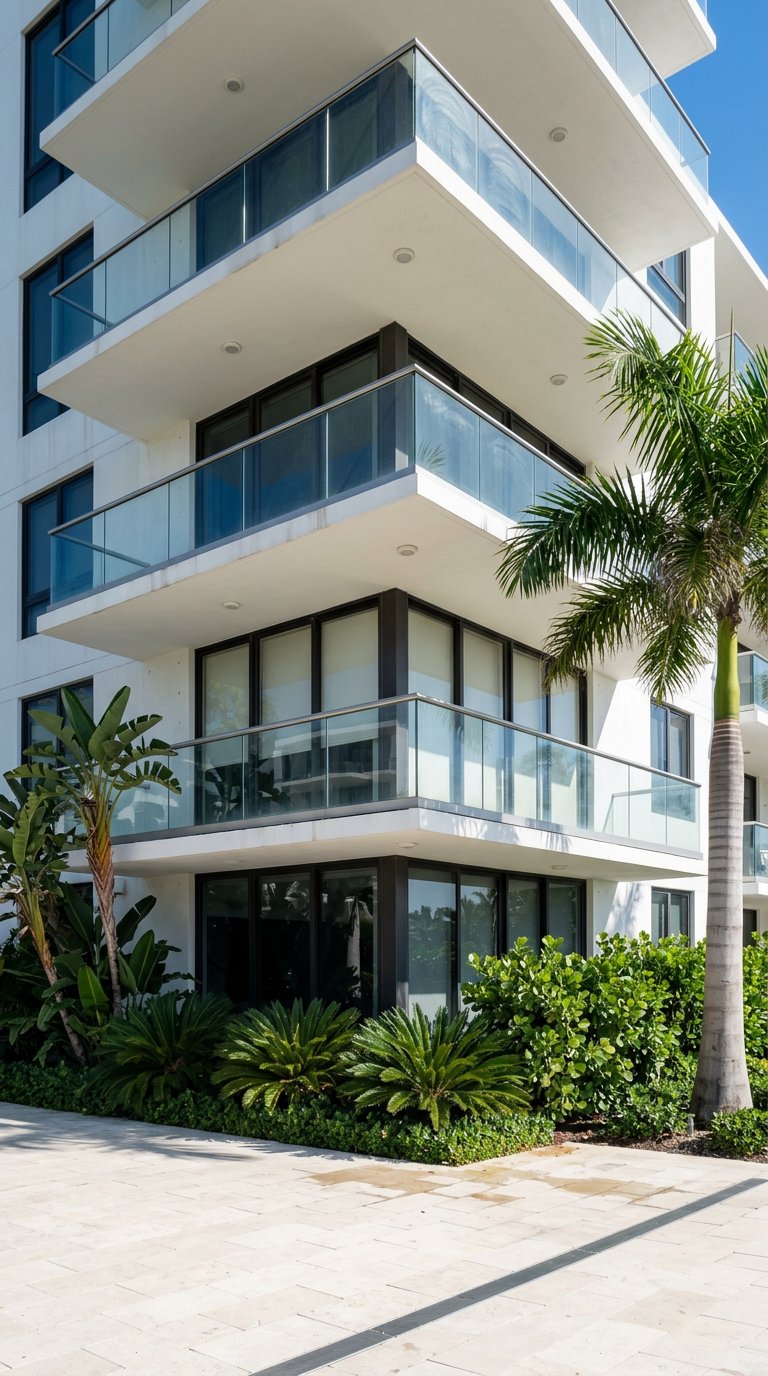
Mid‑Beach includes many mid‑century to 1980s buildings that now fall into typical milestone windows. Salt air and coastal conditions make certain repairs common in Miami‑Dade. You often see concrete spalling and rebar corrosion in slabs and balconies, façade and waterproofing repairs, roof replacements, pool deck work, and corrosion protection for metal components. These projects are normal for coastal buildings and are manageable with planning and funding.

Buyer and seller strategies

A little preparation goes a long way. Use these moves to protect your position and keep deals on track.

If you are buying

  • Tie your offer to a review of the reserve study, financials, and latest engineering report.
  • Ask when the next milestone inspection is due and whether the last report is filed.
  • Request a breakdown of any planned repairs, with what reserves cover versus any assessment.
  • If an assessment is voted but unpaid, consider asking for a seller credit or escrow.
  • Confirm project financing eligibility with your lender early.

If you are selling

  • Gather and share inspection and engineering reports, reserve studies, and budgets.
  • Disclose any known or planned assessments and timelines.
  • Price with current HOA fees and known capital plans in mind.
  • Consider preemptive concessions if large repairs are documented to keep buyers engaged.

Quick checklist

  • Verify the building’s inspection schedule and obtain the latest engineer report.
  • Review the reserve study, current reserve balance, and recent board minutes.
  • Confirm HOA fees, any voted assessments, and insurance details.
  • Ask for permit history and any code orders or violations.
  • Check with your lender on condo project eligibility before you waive contingencies.

Where to confirm rules

For precise requirements and timelines, consult state and local authorities and current program guidance. Look to the Florida condominium statutes, Florida DBPR or the Florida Building Commission for inspection guidance, Miami‑Dade County’s building department for local procedures, and the City of Miami Beach for property‑specific filing and permit questions. Industry groups focused on HOA best practices and major mortgage program project‑eligibility resources are also useful when you need the latest standards.

Ready to make a confident move in 33140? Our boutique team pairs Miami Beach condo expertise with integrated brokerage, property management, and mortgage origination. If you want a clear plan for due diligence, pricing, financing, and a smooth handoff after closing, reach out to Sean Greco. Call or text anytime.

FAQs

What is a milestone inspection for 33140 condos?

  • A milestone inspection is a professional structural evaluation by an engineer or architect that identifies needed repairs and helps ensure a building remains safe to occupy.

How do reserves affect my HOA fees in Miami Beach?

  • Strong reserves often mean higher monthly fees but fewer surprise assessments, while thin reserves can keep fees low short term but increase the chance of large assessments later.

Will low reserves block my mortgage on a 33140 condo?

  • Possibly, since lenders review project eligibility and may flag low reserves, large assessments, or safety orders; check with your lender early in the process.

What condo documents should I request before buying in Mid‑Beach?

  • Ask for the reserve study, current reserve balance, budgets, board minutes, engineering reports, permit history, assessment records, insurance summary, and any code orders.

Are special assessments common in coastal Miami buildings?

  • They are not unusual, especially when inspections identify structural repairs; strong reserve funding and clear repair plans help reduce their size and frequency.

Work With Properties &c.

Whether you’re buying, selling, or investing, Properties &c. offers a personalized, concierge-style approach backed by deep local expertise. Let’s turn your real estate goals into a success story.